





Your Wireless Doorbell is Leaking Data: An SDR Security Reality Check
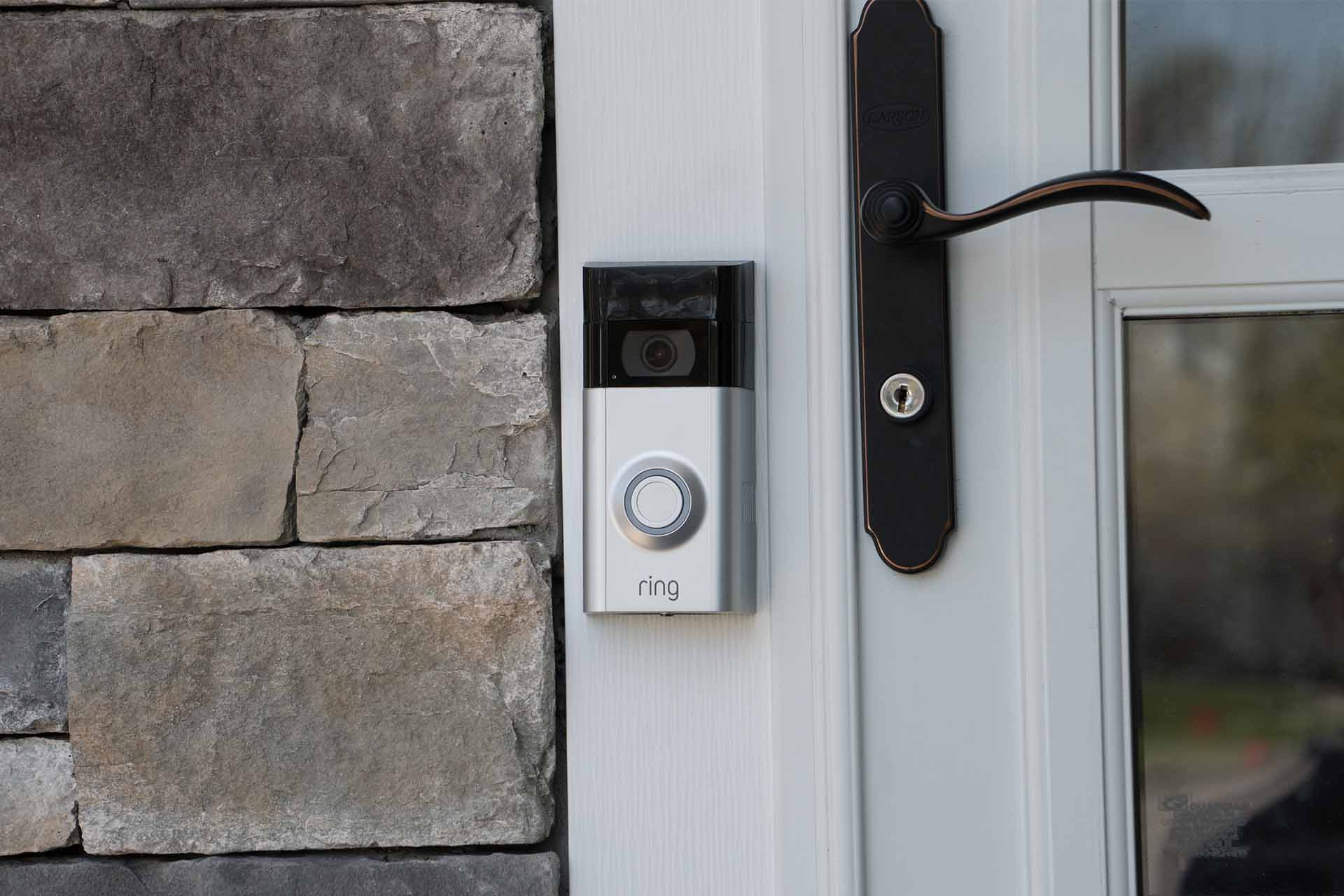
In our rush to make our homes "smart," we have filled them with invisible conversations. Every time someone presses your wireless doorbell, a burst of data travels through the air to your chime. But here is the problem: in 90% of budget and mid-range wireless doorbells, those conversations are happening in the clear. With a device like the HackRF One H4M, anyone standing on the sidewalk can "hear" your front door—and potentially use that data against you.
The Invisible Leak: How Your Doorbell Broadcasts
Most wireless doorbells operate on the Sub-GHz ISM (Industrial, Scientific, and Medical) bands, typically 433.92 MHz or 915 MHz. To keep costs low, manufacturers often use simple modulation schemes like OOK (On-Off Keying) or FSK (Frequency Shift Keying). These signals are rarely encrypted. This means your doorbell isn't just sending a "ding"—it’s broadcasting a digital fingerprint that identifies your home and your habits to anyone with a Software Defined Radio (SDR).
Enter the HackRF One H4M: The Ultimate Security Auditor
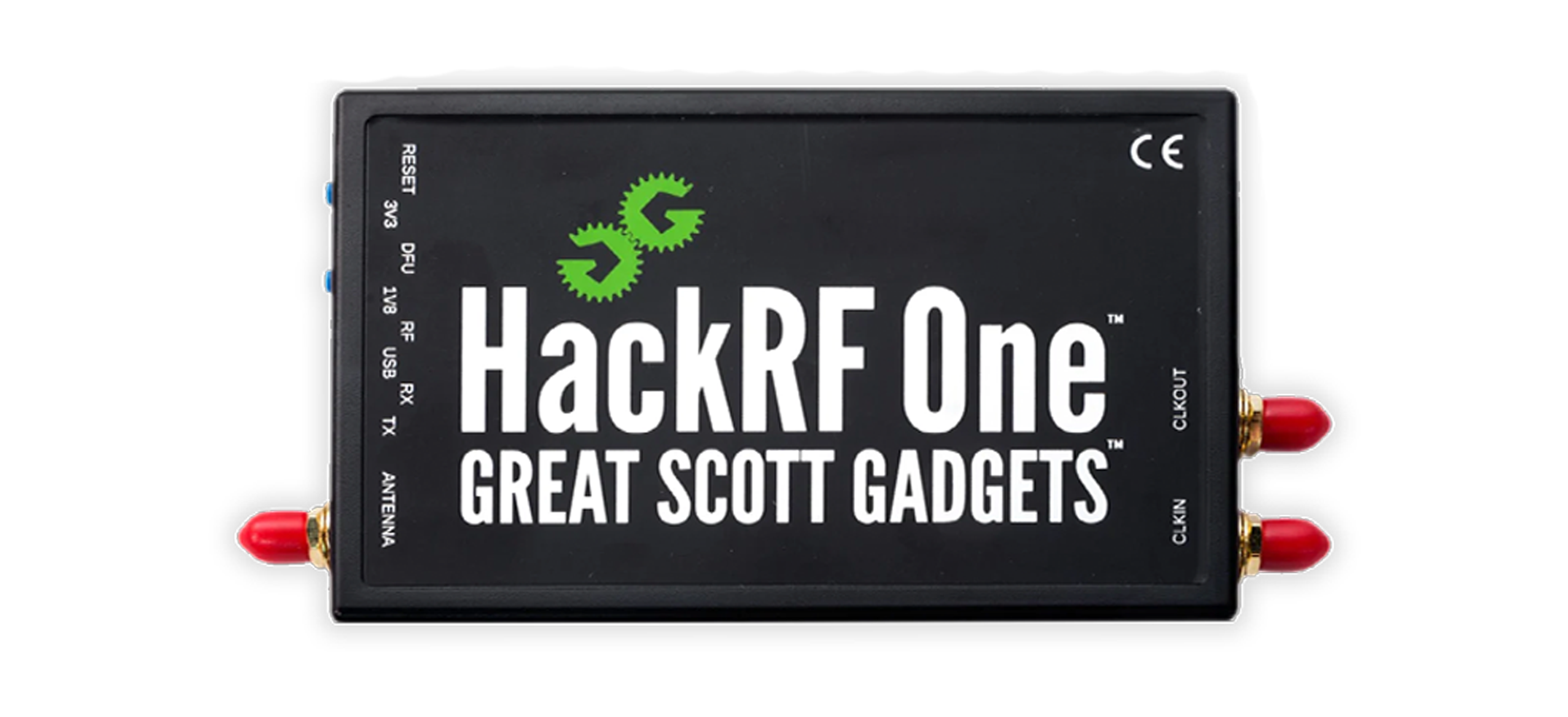
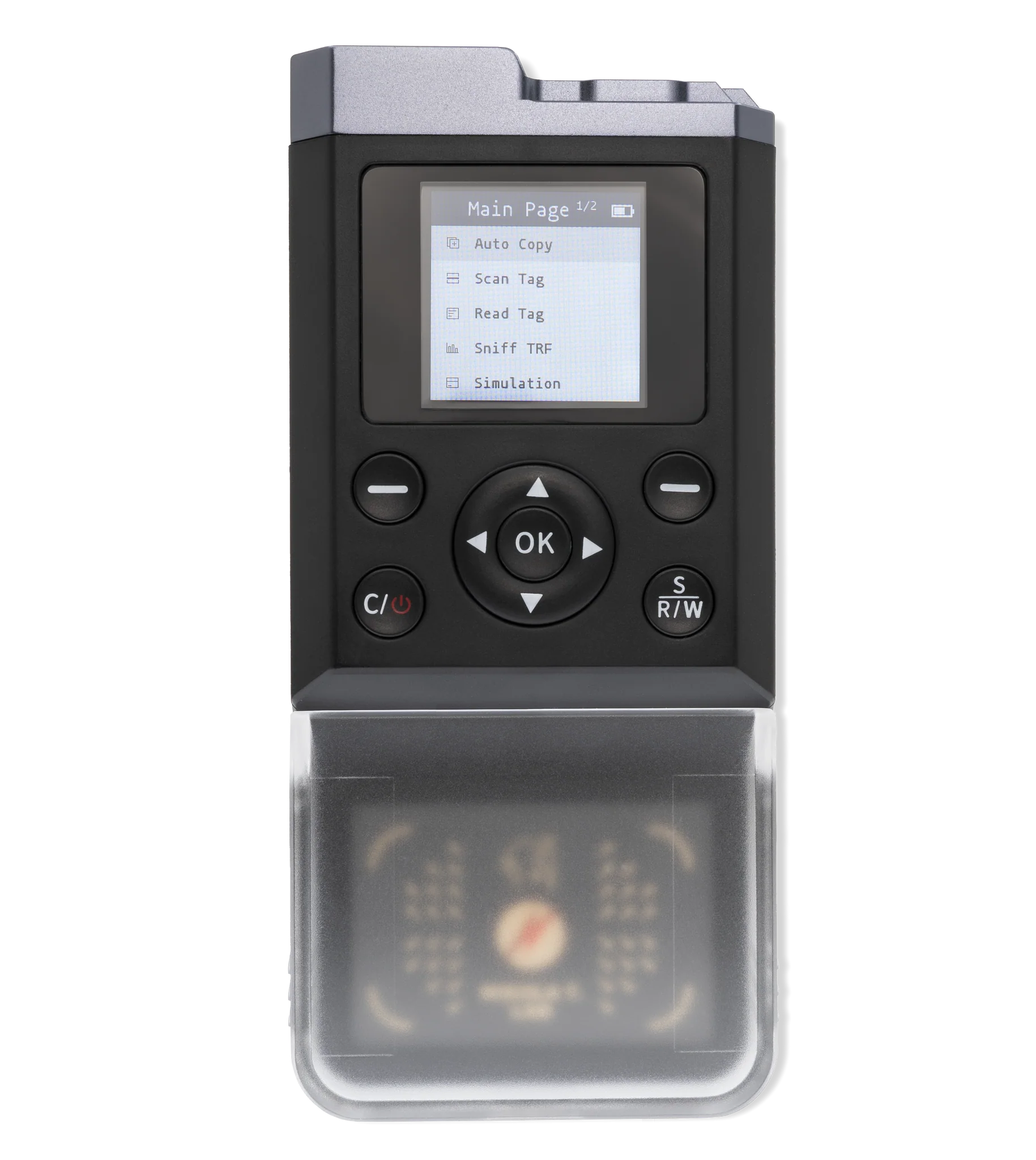
While basic receivers can listen, the HackRF One H4M (€271.15) is in a league of its own. It is a wideband SDR capable of both receiving and transmitting from 1 MHz to 6 GHz. What makes the H4M version special for security enthusiasts is the PortaPack integration and the Mayhem firmware. It allows for "Headless" operation—meaning you can capture and analyze these security leaks in the palm of your hand without needing a bulky laptop.
How the "Reality Check" Works
Using the HackRF One H4M, a security researcher can visualize the radio spectrum in real-time. When your doorbell is pressed, a massive spike appears on the waterfall display. Here is how that "leak" turns into a security risk:
- Signal Sniffing: The H4M captures the raw digital sequence. Since there is no encryption, the researcher can see the exact binary code your doorbell uses.
- Replay Attacks: Because the signal is static (it doesn't change), a device like the HackRF can "record" the doorbell press and "play it back" later. This can be used to harass homeowners or, in more advanced systems, to spoof "unlock" commands if the doorbell is integrated with a smart lock.
- Occupancy Tracking: By monitoring how often the doorbell signal is triggered (or when the "low battery" signal is sent), an attacker can build a profile of when you are home and when you are away.
The Privacy Risk Beyond the "Ding"
For the privacy-conscious, the concern isn't just about someone ringing your bell remotely. It’s about RF Reconnaissance. If your doorbell is leaking unencrypted data, what else is? Many older garage door openers, wireless security sensors, and even some smart meters use the same vulnerable protocols. The HackRF One H4M serves as a "black light" for the digital world, showing you exactly where your privacy is being compromised by lazy manufacturing.
How to Secure Your Perimeter
If you are worried about your wireless security, here are three steps to take:
- Check for Rolling Codes: Ensure your wireless devices use "Rolling Code" or "Hopping Code" technology, which prevents simple replay attacks.
- Frequency Auditing: Use an SDR to see what your home is "screaming" into the neighborhood. If you see clear digital patterns every time a sensor trips, it’s time for an upgrade.
- Encryption is Mandatory: Move toward devices that use Zigbee or Z-Wave with AES encryption, rather than generic 433 MHz RF.
The Pro Tool for Modern Security
The HackRF One H4M is more than a gadget; it is an essential tool for anyone serious about digital privacy and RF security. Whether you are a professional pentester or a hobbyist who wants to know exactly what is happening in the airwaves around your home, the H4M provides the transparency that big tech companies often hide.
Take control of your RF environment. You can get the genuine HackRF One H4M directly from us below by pressing "Add to Cart" or by clicking the product for more info.
No posts found
Write a review






We support all major card and digital payment options. More local methods are available and shown during checkout.
You enter into a binding sales contract once you have received an 'order confirmation and sales receipt' email from us, in line with our Sales & Delivery conditions. Therefore, sdrstore.eu has the right to cancel your order in the event of technical problems, delivery failure, Fair use policy and other similar situations.






Your payments are protected by advanced encryption and 3-D Secure authentication for safe online shopping.